Assessment engines, progress tracking and content delivery for modern learning platforms.
Clients
Long-term Partnerships
We collaborate with Cloud Academy, a tech skills training platform, and Inklusion Digital, a company focused on inclusive learning.
Experience
We Understand
Learning experience design, from structuring content and assessments to building effective digital learning journeys.
Intelligent
Learning Delivery
Assessment engines, progress tracking and content delivery for modern learning platforms.
Clients
Long-term Partnerships
We collaborate with Cloud Academy, a tech skills training platform, and Inklusion Digital, a company focused on inclusive learning.
Experience
We Understand
Learning experience design, from structuring content and assessments to building effective digital learning journeys.
Intelligent
Learning Delivery
Assessment engines, progress tracking and content delivery for modern learning platforms.
Clients
Long-term Partnerships
We collaborate with Cloud Academy, a tech skills training platform, and Inklusion Digital, a company focused on inclusive learning.
Experience
We Understand
Learning experience design, from structuring content and assessments to building effective digital learning journeys.
Our experience covers the core of digital learning platforms. We design systems for assessments, content delivery, and learning experiences that scale with growing organizations.
Commonprojects
LMS platforms and features
Assessment and quiz engines
Learning analytics
Content authoring tools
Building success together
Over 4 years of continuous collaboration and shared growth
Countless features delivered
Building core product and companion mobile applications
Core developers inside the partner team
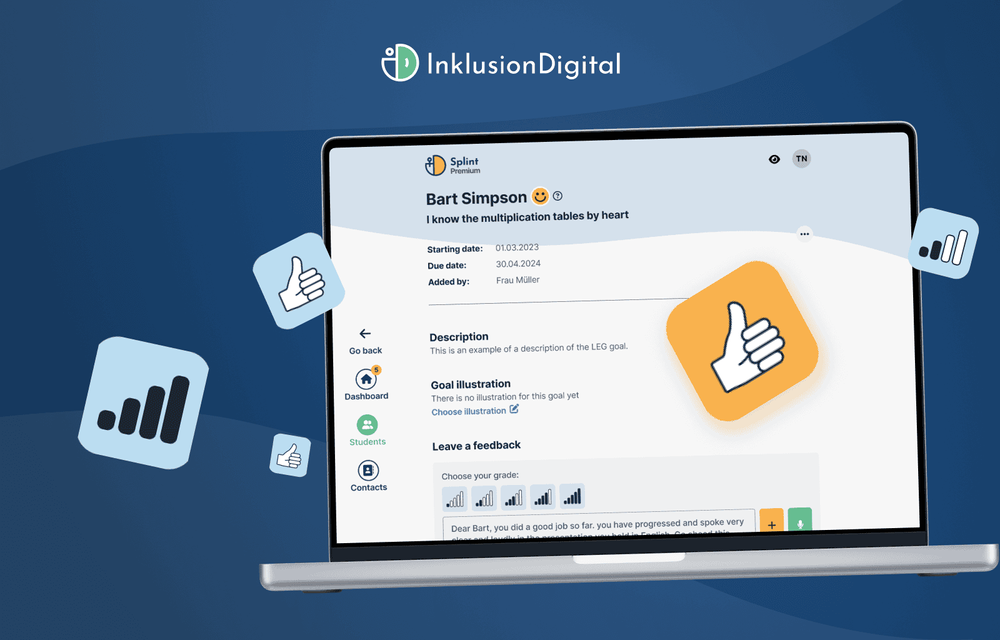
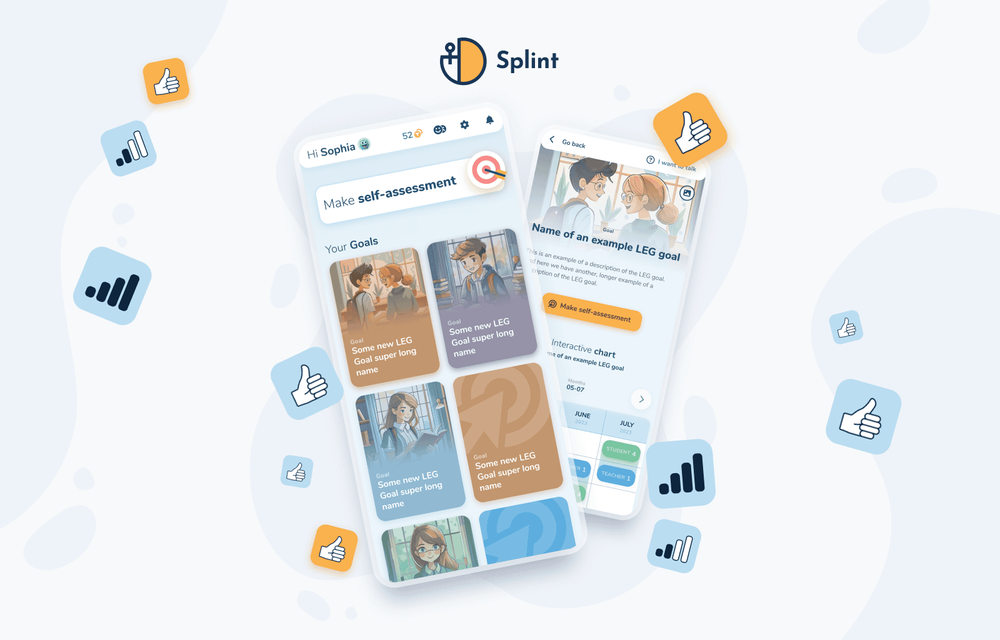
Through our collaboration with Inklusion Digital, we’ve helped build scalable learning platforms supporting assessments, content delivery, and engaging learning experiences. We partner closely with our clients, working as one team to create products that deliver real impact.
Learning management systems, assessment and quiz engines, learning analytics dashboards, and content authoring tools. We have built core platform and companion mobile applications for Inklusion Digital (4+ years of continuous collaboration, inclusive-learning focus) and partnered with Cloud Academy on tech-skills training. The work spans rich-media content delivery, assessment design and scoring, learner-progress modelling, and the operational tooling content teams need to publish and maintain courses at scale.
How do you handle student data privacy (FERPA, COPPA, GDPR)?
Student data is regulated more tightly than most: FERPA in US K-12 and higher ed, COPPA for users under 13, and GDPR plus regional school-data laws across the EU. We design for the strictest applicable regime by default: data minimisation, age-gated consent flows where COPPA applies, parental-consent capture flows where required, region-pinned hosting, no third-party trackers on student-facing surfaces, and explicit deletion lifecycles. For institutional customers we provide DPAs, BAAs where relevant, and the documentation procurement teams need.
Can you build for K-12, higher ed AND corporate L&D, or do you specialize?
All three, though the engagement shape changes. K-12 is the most regulated and the most accessibility-sensitive; higher ed leans on LTI and SCORM/xAPI standards for integration with institutional LMS estates; corporate L&D is closer to a regular SaaS engagement with stronger reporting and compliance-tracking expectations. We staff each engagement against its actual sector — an engineer who has shipped K-12 in the past leads K-12 work — rather than pretending the segments are interchangeable.
What about LMS integration via SCORM, xAPI or LTI?
Yes — we have shipped LTI 1.1 and 1.3 integrations into institutional LMS systems (Canvas, Moodle, Blackboard, D2L), SCORM 1.2 and 2004 content packaging where legacy course inventory demands it, and xAPI (Tin Can) statement emission for richer analytics. We will also tell you when not to use these standards: for a closed loop between your own learner experience and your own analytics, xAPI is overkill and a typed event schema is cleaner.
How do you approach accessibility for learners with disabilities?
Edtech has the highest accessibility bar in software — both legally (Section 508 in the US, the European Accessibility Act in the EU, country-level mandates) and ethically: a learner who cannot use the platform cannot learn. We build to WCAG 2.1 AA as a floor, with screen-reader testing on every learner-facing surface, keyboard-first interaction patterns, captioning workflows for video content, and design tokens that respect contrast and motion preferences. Inklusion Digital's whole product premise is inclusive learning; that work shaped our default practice.
Can you handle assessment and proctoring features?
Yes for assessment, with caveats for proctoring. Assessment engines — question banks, item-response theory scoring, adaptive testing, plagiarism-resistant question generation — are squarely in our wheelhouse. For proctoring we build the workflows (identity verification, session monitoring, evidence capture) but partner with specialist vendors for the underlying biometrics and AI-driven monitoring rather than rolling our own; the regulatory and false-positive risk surface there is too sharp to treat as a side project.
Ready
to ship faster?
Start a conversation
Tell us about your project. We’ll get back within 24 hours.