We test products with real users to uncover friction and usability issues. This allows us to refine the experience and ensure the product works in real-world scenarios.
User research and interviews
We talk to real users to understand their needs, behaviors, and challenges. These insights help us design products that solve real problems.
Information architecture
We structure content and features so products are intuitive and easy to navigate. Clear information architecture helps users quickly find what they need.
UI design and design systems
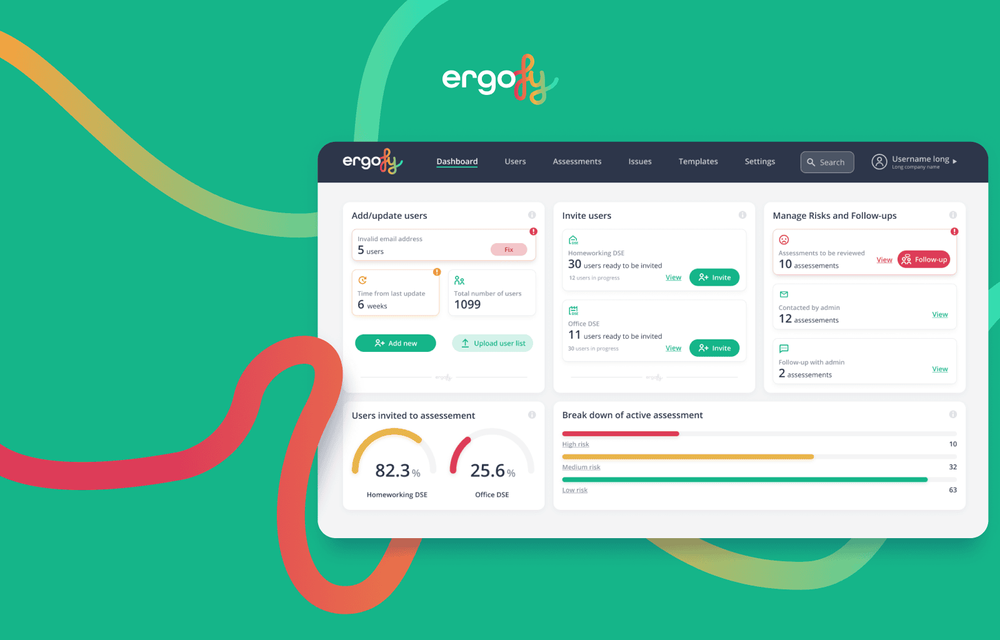
We design clean, consistent interfaces that make products easy to use. Our design systems ensure scalability and consistency across the entire product.
Usability testing
We test products with real users to uncover friction and usability issues. This allows us to refine the experience and ensure the product works in real-world scenarios.
Figma is our default for product design — components, variants, auto-layout, the works — and it is what your engineers will see at handover. We use Figjam for early discovery and architecture sessions and occasionally Sketch or Penpot when a client already has a heavily invested library in one of those. We do not work in tools that produce throwaway artefacts (whiteboards, slides, generic image editors) for production design; the design file is a living spec and needs the same persistence the code gets.
How does design handoff work when you also build the code?
When we design and build the product, handoff is a running staging build rather than a finished Figma file. Designers and engineers share a backlog from day one, design components are validated against real frontend constraints during exploration (not after), and the design file evolves alongside the code rather than getting frozen at a milestone. If you only need the design — we will hand you a Figma file, but expect us to use the build-side discipline anyway: real-data examples, accessibility states, error states, and documented design tokens.
Can you work with our existing design system?
Yes — and we prefer it when one exists. We pick up your library, extend it where the new surfaces demand new components, and feed those extensions back into the system rather than fork them. If the system is stale or partially adopted, we will tell you that during discovery and propose either a targeted refresh or a clean extension layer, depending on how much of the existing system is actually serving the product.
Do you cover discovery and user research?
Yes. Most of our engagements include a discovery phase before any design work: stakeholder interviews, user interviews, competitive teardown, journey mapping, and a written brief that defines the problem before we propose a solution. We do quantitative research (analytics audits, funnel analysis, basic usability testing) but we partner with specialist research firms for large-scale ethnography or panel studies — those teams do it better than we would.
Can you redesign an existing product without rebuilding it?
Yes. Incremental redesign is usually the right call for a product with active users: we work surface-by-surface, ship behind feature flags, validate against real engagement metrics, and avoid the multi-quarter "big bang" rewrite that quietly stalls. The new visual language and component library land first; surface migrations happen in priority order with the existing screens still in production. The work is slower than a clean-slate rebuild but the business keeps moving while it happens.
What does a typical design engagement look like?
A small-product engagement runs four to eight weeks: one week of discovery, three to five weeks of design (information architecture, wireframes, visual design, interactive prototype, accessibility review), and a final week for engineering handover. A platform redesign or design-system build runs longer — usually three to four months — with parallel discovery, design-system foundations, and surface-level work after the foundations stabilise. Designers stay engaged through implementation rather than dropping at handover.
Ready
to ship faster?
Start a conversation
Tell us about your project. We’ll get back within 24 hours.